




Staying in Reconciliation: Indigenous Lessons for Navigating Change and Uncertainty

Over the past decade, many organizations have taken meaningful steps toward reconciliation. Indigenous voices have become more visible, awareness has grown, and conversations that were once absent from many workplaces have become more common. At the same time, many people are noticing a shift. Across communities, workplaces, and public discourse, conversations about reconciliation can feel […]
Supporting Teams Through Organizational Change: 3 Practical Ways to Strengthen Employee Engagement and Psychological Safety

Many teams are experiencing significant change right now, whether through restructuring, shifting priorities, or workforce reductions. Alongside the operational shifts, employees are often adjusting to new roles, evolving expectations, and a level of uncertainty that can impact how teams communicate and work together. In these moments, we often see communication become more cautious, people hesitate […]
Men’s Mental Health: 3 Shifts Toward a More Inclusive Conversation

Men are facing a mental health crisis, yet they are often left out of conversations about wellbeing, inclusion, and support. In some spaces, they feel blamed. In others, the topic is avoided altogether. When that gap exists, it can create space for polarization rather than connection. If we want healthier communities, stronger workplaces, and more […]
Workplace Culture Trends 2026: Leadership, AI, and Psychological Safety

Workplace Culture Trends in 2026 show that performance will depend on how well organizations strengthen middle management capacity, lead AI transformation, and build resilient, agile teams within a strong workplace culture grounded in psychological safety. Organizations are entering 2026 in a climate defined by sustained pressure and accelerated change. Economic uncertainty, rapid advances in AI, […]
Psychological Safety at Work: What It Really Means and Why It Is Often Confused with Inclusion and Mental Health
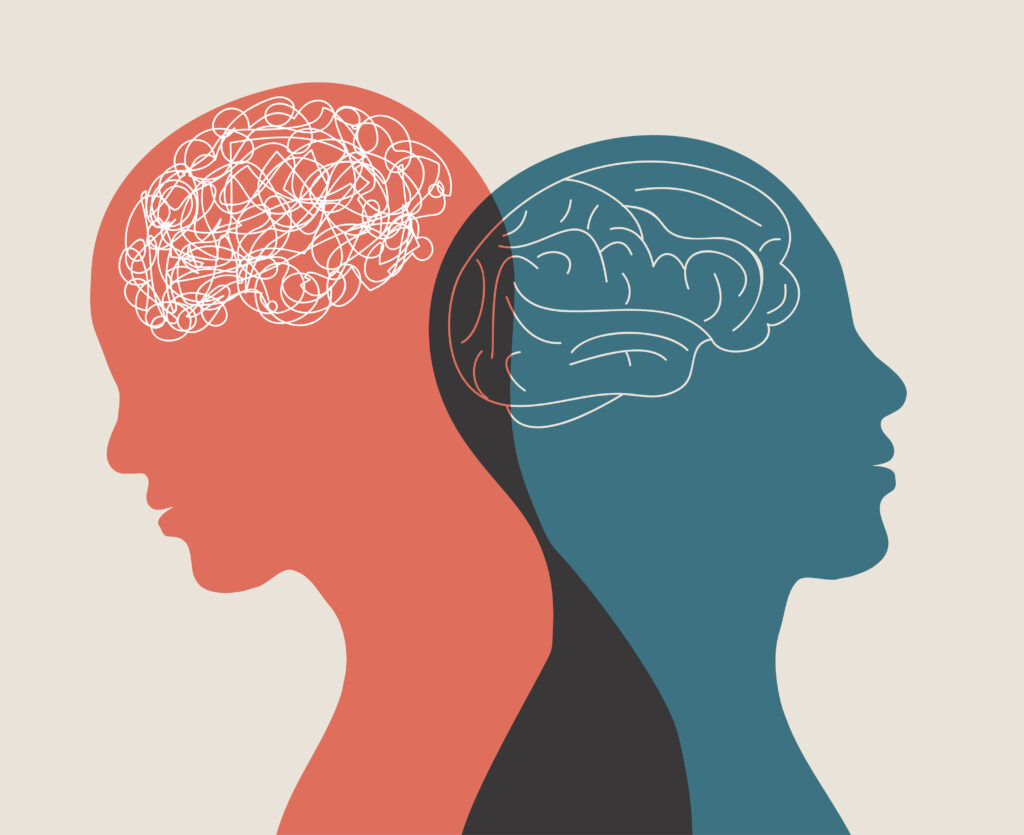
Psychological safety at work has become one of the most widely used ideas in conversations about workplace culture, leadership, and performance. Yet despite its popularity, many organizations are still unclear about what psychological safety actually means and how it differs from other important concepts such as inclusion and mental health. This lack of clarity matters. […]
Building Bridges: Responding to Misconceptions of Transgender People
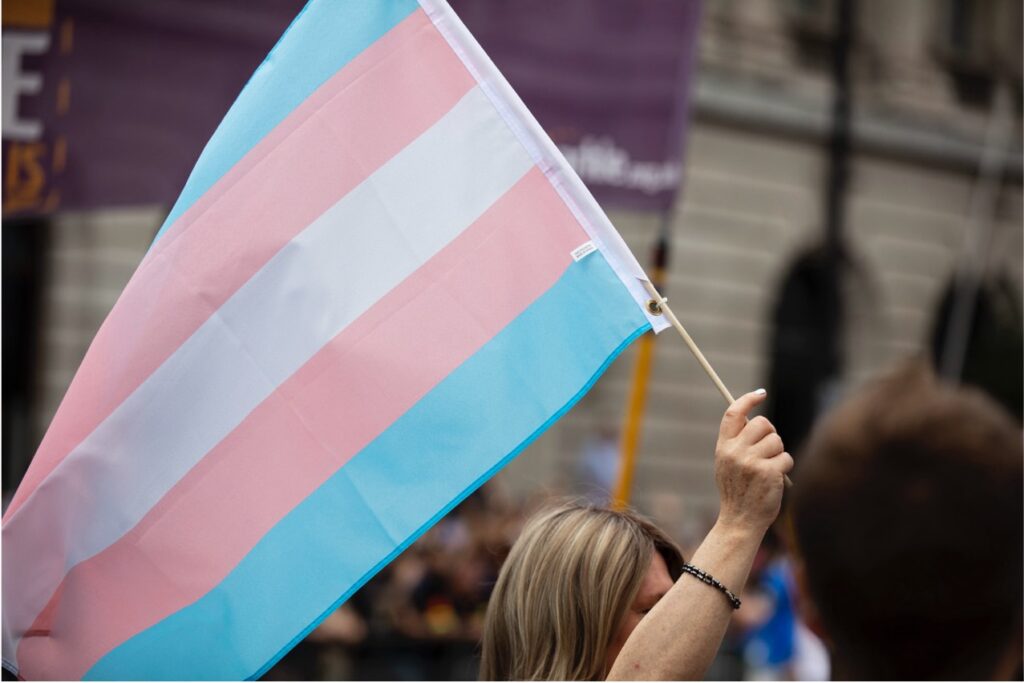
Research shows that trans and non-binary people experience a range of barriers and challenges, from subtle (such as assumptions about their identity or sexual orientation) to overt (including discrimination and violence).
These challenges have been exacerbated by recent, much-reported conflicts around gender-affirming care for youth. Small but vocal groups have developed targeted messaging to undo current progress toward trans inclusion. They often advance claims – about gender education in schools and statistics of gender transition among youth – that are misleading and false. In the general public, many people are left with a lack of awareness, as well as with genuine questions and few places to have them answered.
Indigenous Allyship

During Black Futures Month, many organizations ask what they can do to cultivate safer workplaces for Black employees. Before identifying specific tools, we must understand anti-Black racism within broader systems, of which workplaces are only part. Anti-Black racism is unique, rooted in the history and experience of enslavement. It targets all people of African descent. It uses myths and stereotypes related to biology, intelligence, morality, and more to justify discrimination. This racism is built into society in many ways.
Promotion Policies with an Equity Lens

At Inclusivity, we developed a guide ‘Promotion Policies with an Equity Lens’ to offer practical advice on how to create and implement a promotion policy that is truly equitable. This guide was developed using the Inclusivity Equity Lens Framework and aims to help organizations reduce the advancement gap for marginalized groups who disproportionately face barriers in the promotion process and work towards adopting equitable practices that build diverse, high-performing teams.
Cultivating Safer Workplaces for Black Employees
During Black Futures Month, many organizations ask what they can do to cultivate safer workplaces for Black employees. Before identifying specific tools, we must understand anti-Black racism within broader systems, of which workplaces are only part. Anti-Black racism is unique, rooted in the history and experience of enslavement. It targets all people of African descent. It uses myths and stereotypes related to biology, intelligence, morality, and more to justify discrimination. This racism is built into society in many ways.
Inclusive Work Environments for a Neurodiverse World
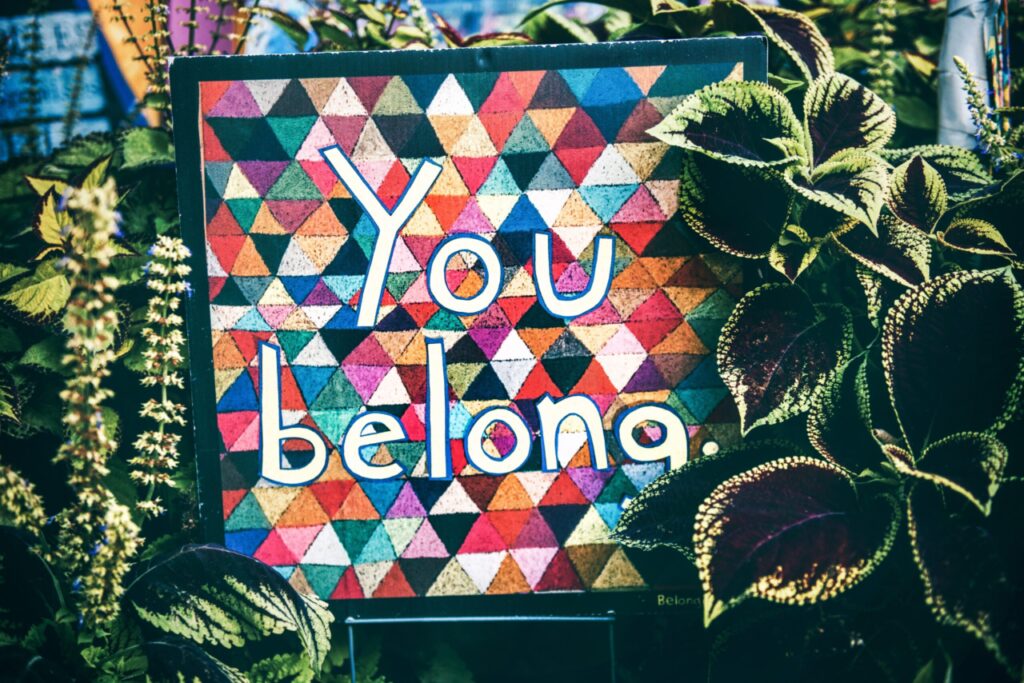
Creating workplaces that recognize and affirm neurodiversity is essential to supporting neurodiverse individuals and unlocking innovation and the potential of minds of all kinds.