



Emotional Intelligence at Work: A Key to High-Performing Teams
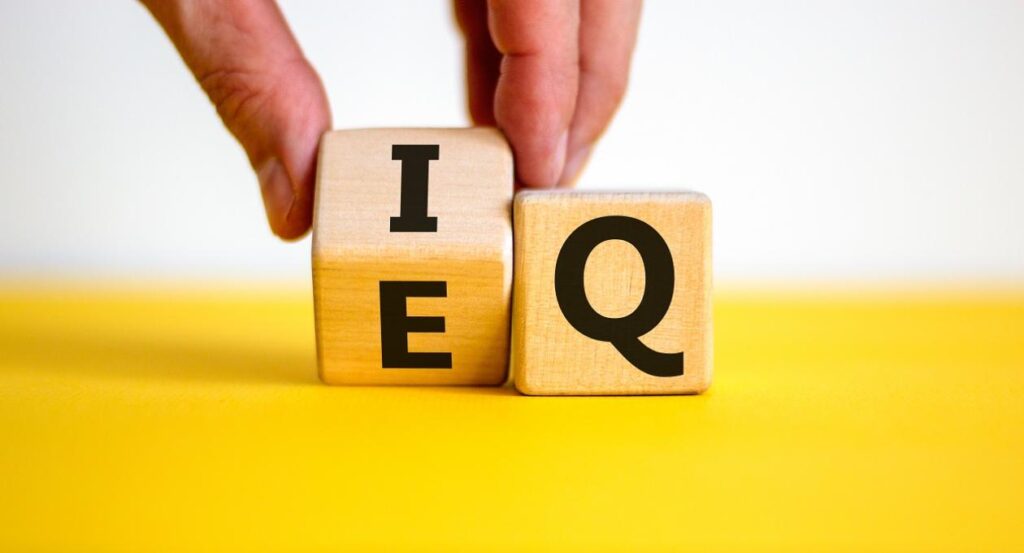
Emotional intelligence (EI), sometimes called EQ, is often described as the ability to understand and manage our own emotions while recognizing and responding to the emotions of others. But what does emotional intelligence actually look like in the workplace, and why does it matter for leaders?
Leadership involves making decisions, setting direction, and achieving results. It also shapes how people experience their work and their team. The way a leader responds to stress, handles conflict, listens to others, and creates trust can have a significant impact on the people and teams around them.
This is where emotional intelligence becomes an important leadership skill. Research has linked emotional intelligence with stronger relationships, communication, leadership effectiveness, and the ability to navigate challenging interpersonal situations. Emotional intelligence can also be strengthened through self-awareness, reflection, feedback, and practice.
Signs of Emotional Intelligence
Emotional intelligence is a set of skills and behaviours that can be learned and developed. So what might stronger emotional intelligence look like in practice? Harvard Professional & Executive Development suggests people with stronger emotional intelligence tend to:
- Understand the connection between their emotions and their behaviour
- Remain calm and composed during stressful situations
- Communicate their needs and perspectives effectively
- Navigate difficult conversations and relationships with tact and empathy
- Help others work toward a common goal
When emotional intelligence is less developed, people may find themselves becoming easily frustrated or overwhelmed by their emotions, feeling misunderstood, or struggling to communicate assertively.
Emotional Intelligence and Psychological Safety
One of the most important ways emotional intelligence shows up in leadership is through the ability to create an environment where people feel safe.
In his TED Talk, “Why Good Leaders Make You Feel Safe,” Simon Sinek explores what happens when leaders create a sense of trust and security within their teams. He describes leadership as taking responsibility for the people you lead and creating an environment where they can work together effectively.
When people feel safe with their leaders, they are more likely to speak up, ask questions, share ideas, acknowledge mistakes, and contribute honestly. Creating that environment requires leaders to pay attention to how their own emotions and behaviours affect others.
Improving Emotional Intelligence as a Leader
Improving emotional intelligence starts with becoming more aware of yourself and your impact on others. Consider:
- How do you respond under pressure? Do stress or frustration affect the way you communicate with others?
- How well do you listen? Are you listening to understand, or preparing your response?
- How do people experience you as a leader? Do people feel comfortable raising concerns or disagreeing with you?
- How do you respond to mistakes? Do your reactions encourage learning and openness, or make people more cautious about speaking up?
- What feedback are you receiving? What might others see about your leadership that you don’t see yourself?
Developing emotional intelligence means recognizing emotions, understanding how they influence our behaviour, and choosing how we respond. These skills can help leaders communicate more effectively, navigate conflict, build stronger relationships, and create more trusting workplaces.
If you’re joining one of our sessions, we recommend watching the “Why Good Leaders Make You Feel Safe” video ahead of time. As you watch, reflect on the following:
- What behaviours from a leader make you feel safe, trusted, and supported?
- How might your own emotions and reactions affect the people you lead?
- Think about a leader who made you feel comfortable speaking openly. What did they do that created that sense of trust?
- Where could you strengthen your own emotional intelligence as a leader?
- What is one behaviour you could change or practice to help create greater trust and psychological safety on your team?
Want to Develop Stronger, More Emotionally Intelligent Leaders?
At Inclusivity, we help organizations strengthen leadership capability, build more connected teams, and create workplace cultures where people can thrive. Our leadership development programs combine practical tools, reflection, and evidence-informed approaches to help leaders build the skills and confidence to lead effectively.
Contact us at hello@inclusivityinsight.com to learn more about our leadership development and training programs.