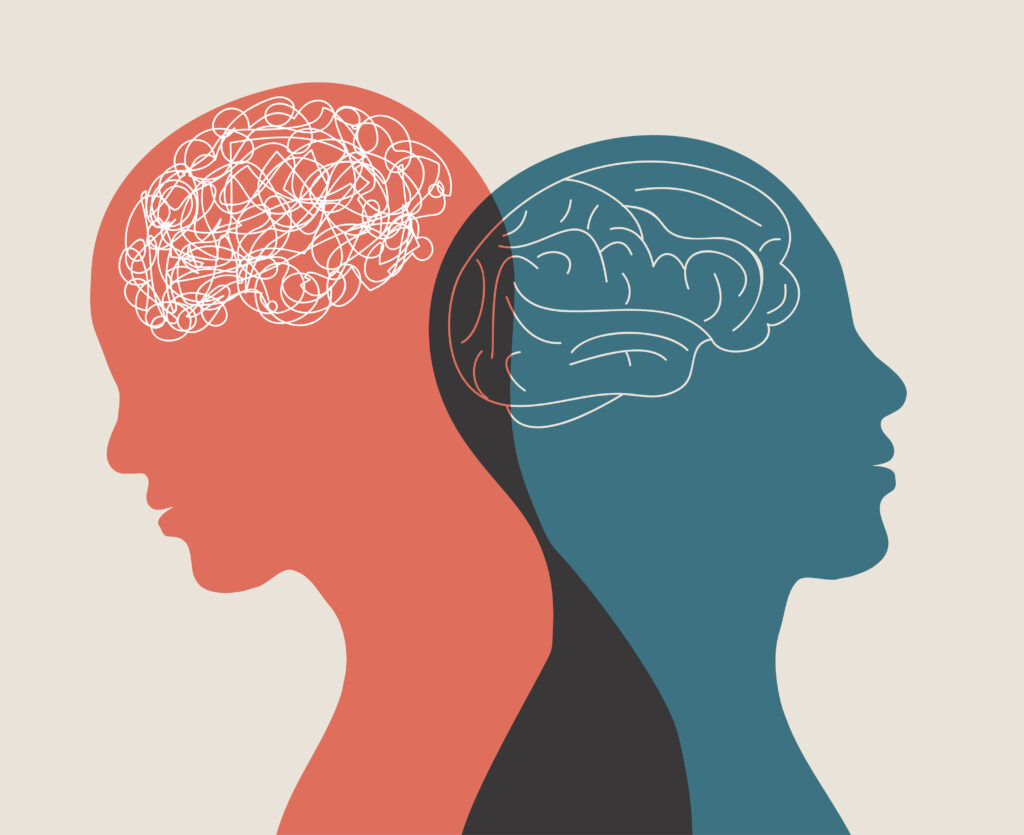





Psychological safety has become one of the most important factors in high performing teams. When employees feel safe to share ideas, ask questions, raise concerns, and admit mistakes without fear of embarrassment or negative consequences, teams collaborate more effectively and organizations make better decisions.
Research from Google’s Project Aristotle found that psychological safety was the single most important factor in determining whether a team was successful. Teams where people felt comfortable speaking up were more likely to learn quickly, solve problems effectively, and innovate.
While many organizations recognize the importance of psychological safety, building it consistently across teams can be challenging. This is where psychological safety training can play a critical role.
Training helps leaders understand the behaviours that shape team dynamics and provides practical tools for creating environments where employees feel comfortable contributing fully.
What Is Psychological Safety Training?
Psychological safety training focuses on helping leaders and teams develop the behaviours and practices that support open communication, trust, and respectful challenge.
Rather than being a single concept or policy, psychological safety is built through everyday interactions. Leaders influence whether employees feel safe to ask questions, share new ideas, challenge assumptions, or admit mistakes.
Training programs typically help participants:
- Understand what psychological safety is and why it matters
- Recognize leadership behaviours that support or undermine psychological safety
- Develop practical strategies for encouraging open dialogue
- Learn how to respond constructively to mistakes or concerns
- Build habits that strengthen trust and collaboration within teams
The goal is not simply to introduce the concept, but to help learners translate it into everyday practices.
Why Psychological Safety Matters for Organizations
Organizations today are navigating rapid change, increasing complexity, and growing expectations around collaboration and innovation. In this environment, psychological safety becomes a critical foundation for effective teamwork.
When employees feel comfortable speaking up, organizations benefit in several important ways.
- Stronger Collaboration: Teams with psychological safety are more likely to share information openly and build on each other’s ideas. Instead of holding back perspectives or concerns, people feel comfortable contributing to discussions. This leads to more productive conversations and better collective problem solving.
- Faster Learning: When mistakes can be acknowledged openly, teams learn more quickly. Issues are surfaced earlier, and lessons can be shared across the group. Without psychological safety, errors are more likely to be hidden or ignored, which can prevent teams from improving.
- Better Decision Making: Encouraging diverse viewpoints helps teams explore risks, challenge assumptions, and refine ideas before decisions are made. Psychological safety supports healthier debate and helps ensure that important perspectives are not overlooked.
- Greater Employee Engagement: When people feel heard and respected, they are more likely to feel connected to their work and committed to the team’s success. Psychological safety helps create a workplace where employees feel comfortable bringing their full perspectives and experiences to the table.
The Role of Leaders in Building Psychological Safety
While organizational culture influences psychological safety, leaders play a particularly important role in shaping the experience of their teams.
Small everyday behaviours can send powerful signals about whether speaking up is encouraged or discouraged.
Leaders who build psychological safety often:
- Invite input and diverse perspectives
- Acknowledge uncertainty and ask questions
- Respond constructively when mistakes occur
- Encourage respectful challenge and dialogue
- Demonstrate curiosity and openness to learning
These behaviours help create an environment where team members feel comfortable contributing ideas and raising concerns.
As explored in our article on “5 Leadership Behaviours That Build Psychological Safety” these habits are often the difference between teams that simply function and teams that truly thrive.
What Participants Learn in Psychological Safety Training
Psychological safety training helps leaders move beyond theory and develop practical skills.
Many programs focus on helping participants: :
- Recognize the Signals They Send: Leaders often influence team dynamics through subtle behaviours such as how they respond to questions, how they handle mistakes, or whether they invite feedback. Training helps leaders understand the signals they send and how those signals shape team culture.
- Encourage Diverse Perspectives: Participants learn techniques for inviting input and ensuring that different voices are included in discussions. This can involve structured approaches to meetings, asking open questions, and intentionally drawing in quieter team members.
- Respond Productively to Mistakes: Training often focuses on how to respond when something goes wrong. Learning to approach mistakes with curiosity rather than blame helps reinforce an environment where employees feel comfortable raising issues early.
- Support Healthy Dialogue: Participants develop skills for facilitating respectful debate and ensuring that disagreements remain constructive. This helps teams challenge ideas without damaging trust.
Building Psychological Safety Takes Practice
Psychological safety is not created through a single training session or policy change. It develops over time through consistent and intentional values, behaviours and team norms.
Training can play an important role by helping employees to recognize the behaviours that influence psychological safety and providing practical tools to support healthier team dynamics.
When organizations invest in building these capabilities, they create the conditions for stronger collaboration, learning, and innovation across teams.
Frequently Asked Questions About Psychological Safety Training
What is psychological safety training?
Psychological safety training helps leaders and teams develop the skills needed to create workplaces where employees feel comfortable speaking up, sharing ideas, and raising concerns. Training often focuses on leadership behaviours that support open communication, trust, and constructive dialogue.
Who should participate in psychological safety training?
Psychological safety training is particularly valuable for people leaders, managers, and team leads. Because leaders play a key role in shaping team culture, developing their skills can have a significant impact on how safe employees feel contributing ideas and feedback.
How does psychological safety training improve team performance?
Training helps leaders build habits that encourage open communication and learning. When employees feel safe to contribute their perspectives and raise concerns, teams are better able to solve problems, learn from mistakes, and make informed decisions.
Getting Started…
Many organizations recognize the importance of psychological safety but struggle with how to build it consistently across teams. Leaders often want practical guidance on how to encourage open dialogue, respond to mistakes constructively, and create environments where people feel comfortable contributing ideas and concerns. This is where structured leadership development and psychological safety training can make a meaningful difference, helping leaders translate the concept into everyday team practices.
Questions about training and leadership development programs? [email protected]