




As organizations head into 2026, many are reflecting on one undeniable reality. For the first time in modern history, five generations are contributing meaningfully to the workplace at the same time. Throughout 2025, leaders saw how this mix sparked opportunities for collaboration, but also highlighted how generational labels can create unnecessary assumptions.
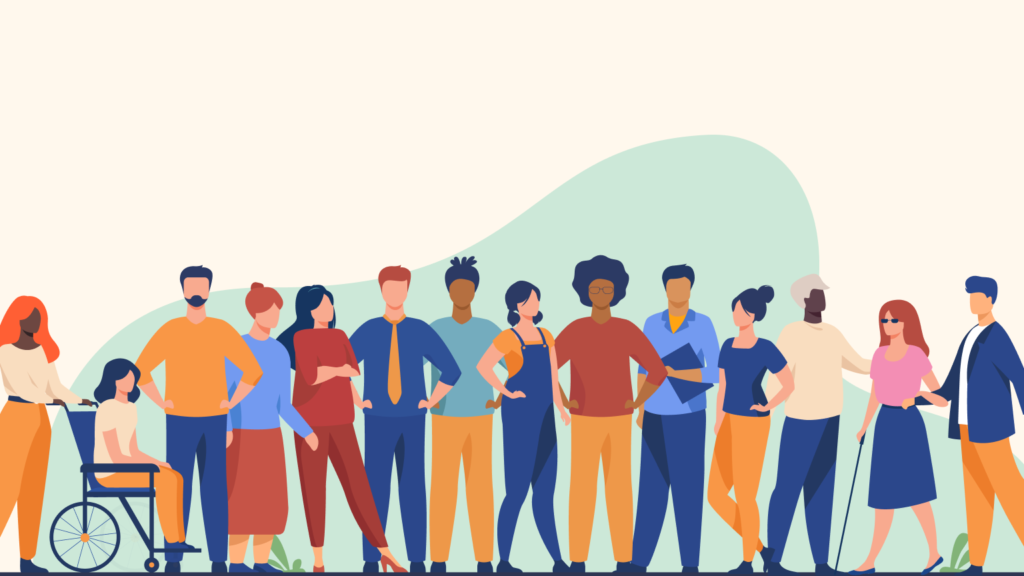
The truth is that employees across age groups share more similarities than we often acknowledge. Whether early in their careers or decades into them, people want meaningful work, clarity, support, flexibility, and a sense of belonging.
The opportunity for 2026 is not to tailor leadership to five age cohorts. It is to build workplaces that support real human needs, reduce bias, and make space for reciprocal learning across generations. When organizations take this approach, they unlock stronger collaboration, higher retention, and better performance.
Below are four research informed themes to help leaders maximize the potential of a multigenerational workforce in 2026.
1. Shared Human Needs Matter More Than Generational Stereotypes
Generational narratives dominated workplace conversations in 2025. But research from Gallup, Deloitte, and the World Economic Forum continues to show that people across all generations prioritize similar workplace needs. Psychological safety, meaningful work, growth, clarity, and flexibility consistently rank as universal drivers of engagement.
Generational labels can create shortcuts that lead to bias. When leaders assume certain behaviours based on age, they risk misinterpreting performance or overlooking talent.
In 2026, organizations will benefit from focusing less on generational differences and more on understanding each person’s individual needs and strengths. When systems are designed around universal human needs, all generations thrive.
Quick Tip! Practical Application for 2026: Reduce Age Bias in Talent Processes
Age bias can show up quietly in hiring, promotion, and performance decisions. As organizations look ahead to 2026, it will be important to review talent systems for subtle patterns that disadvantage certain age groups. This includes things like:
- Coded age language in job descriptions
- Interview rubrics that undervalue emerging skills
- Leadership programs that prioritize tenure over potential
- Performance expectations that reward hours rather than impact
Removing age bias strengthens fairness and helps build a more inclusive culture for everyone.
2. Psychological Safety Helps Everyone Contribute
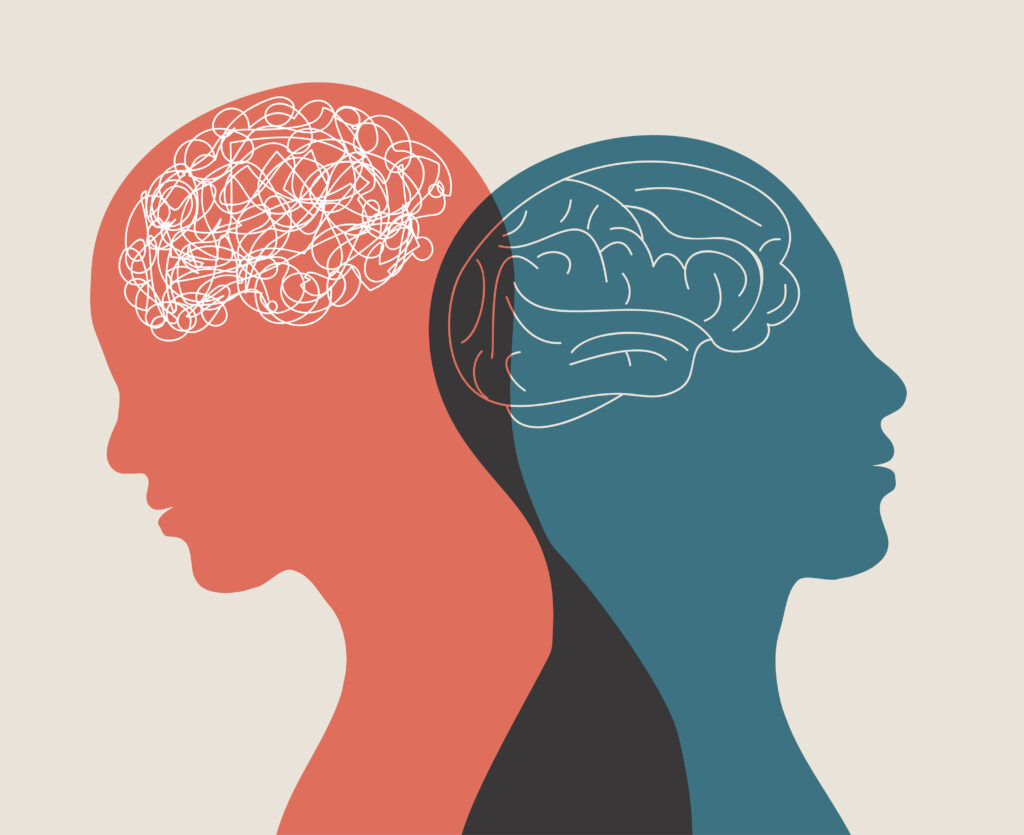
In 2025, psychological safety stood out as a key driver of high performing teams. But feeling safe to speak up can look different depending on where someone is in their career. Early career employees may stay quiet because they do not want to sound inexperienced, while later career employees may hold back because they do not want to be seen as out of touch.
Research from Harvard Business Review continues to show that psychological safety helps teams make better decisions, innovate faster, and learn more effectively. For leaders heading into 2026, the path to building psychologically safe, multigenerational teams is surprisingly practical:
- Encouraging questions
- Normalizing uncertainty
- Appreciating diverse perspectives
- Treating mistakes as learning
When these behaviours become part of everyday leadership, people of every age feel more comfortable sharing ideas and contributing openly.
3. Clear Communication Strengthens Multigenerational Teams
In 2025, many teams assumed communication challenges were generational but most issues came down to unclear expectations and inconsistent habits. As organizations move into 2026, the strongest teams will focus on building clear, shared norms for how they work together, including:
- Communication channels and response expectations
- How decisions are documented
- When to escalate issues
- How feedback is given and received
- How hybrid and remote communication functions
When these norms are clear, teams experience less conflict and benefit from more consistent, smoother collaboration across all ages.
Quick Tip! Practical Application for 2026: Flexibility for All Ages
Flexibility continued to be a top driver of engagement throughout 2025. Research from McKinsey and Gallup shows employees across all generations value autonomy, control over how work gets done, and the ability to align work with life demands.
In 2026, organizations should design flexible work with role needs and life stages in mind, not generational assumptions. Flexibility builds trust, reduces burnout, and strengthens retention for people of every age.
4. Reciprocal Learning Reduces Bias and Builds Trust
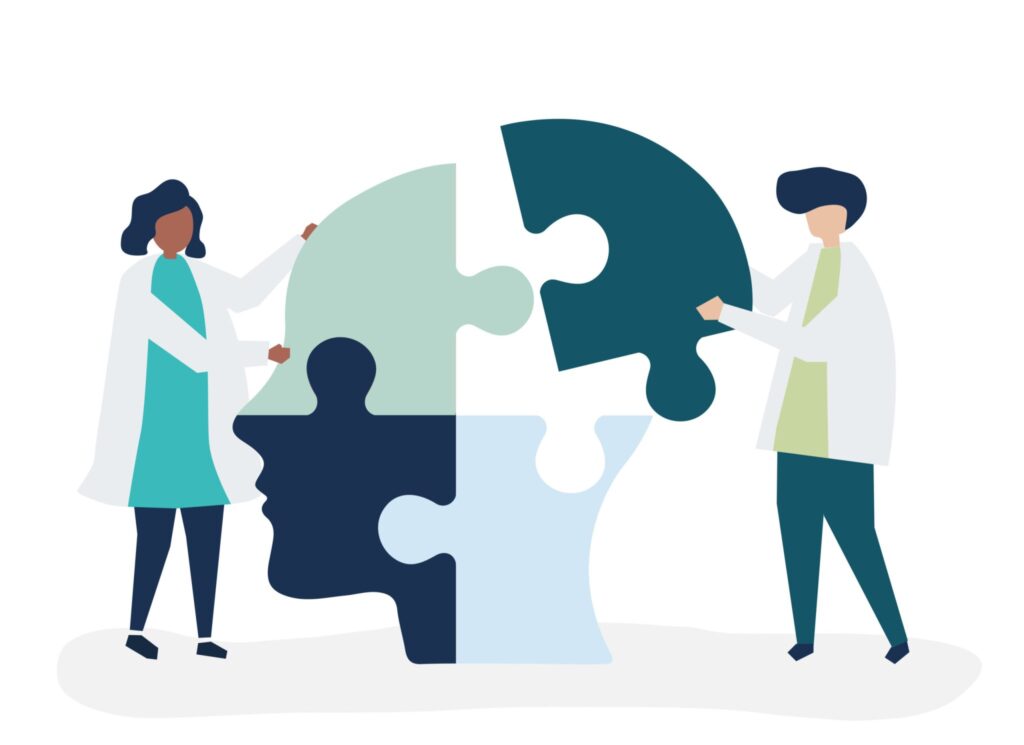
One of the clearest insights from 2025 was the value of reciprocal learning. Newer employees often bring digital fluency, fresh thinking, and new problem solving approaches. More experienced employees contribute deep context, relationship insight, and strategic judgment. When learning only flows downward, bias tends to grow. When it flows across generations, trust grows instead.
Organizations can reinforce this in 2026 by:
- Pairing newer and experienced employees for skill exchange
- Forming cross generational project teams
- Creating peer learning circles
- Valuing both lived experience and emerging expertise
These practices strengthen connection and help organizations make the most of age diversity as a real asset.
Looking Ahead: Trends Shaping How All Generations Will Work in 2026 and Beyond
As we look ahead, several trends will shape how people of all ages work in 2026 and beyond. Demographic shifts, longer careers, hybrid work maturity, AI adoption, and the rise of skill based hiring are influencing every generation. Early career employees are stepping into roles that require constant learning. Mid career leaders are navigating new expectations around coaching and communication. Later career employees are exploring longer, more flexible pathways.
Organizations that thrive in 2026 will be the ones that approach age diversity with intention. Leaders play a central role in building cultures where:
- Bias is challenged
- Psychological safety is nurtured
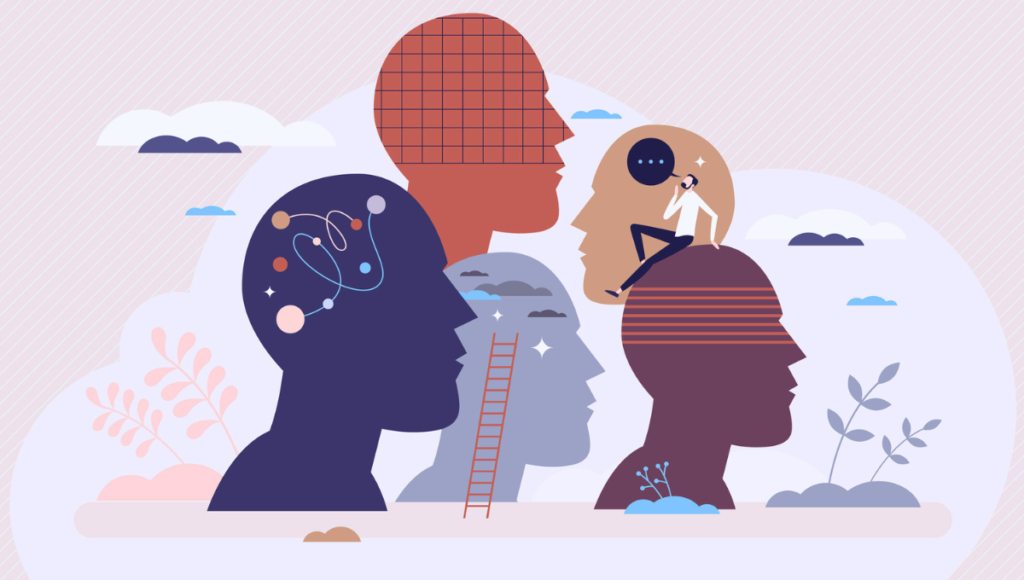
- Diverse perspectives are welcomed
- Learning happens across generations
- Everyone feels valued
The future of work is multigenerational, and the future of leadership is inclusive. The strongest organizations in 2026 will be those that know how to tap into the strengths of every generation.
Resources to Support your Team
Need support with building high-performing, multigenerational teams? Our suite of interactive training programs and facilitated workshops help build awareness and clarity when it comes to:
- How to build effective multigenerational teams with confidence and compassion
- How to foster psychological safety and open communication
- How to reduce unconscious bias and hiring bias
- How to mitigate conflict, strengthen relationships and improve outcomes
Visit our training page to learn more.
Sources:
Gallup. State of the Global Workplace.
Deloitte Insights. Workforce and leadership trends.
World Economic Forum. Future of Jobs Report.
Harvard Business Review. Psychological safety research from Amy Edmondson.
McKinsey. Flexibility and employee engagement research.
MIT Sloan Management Review. Experiential diversity and problem solving research.