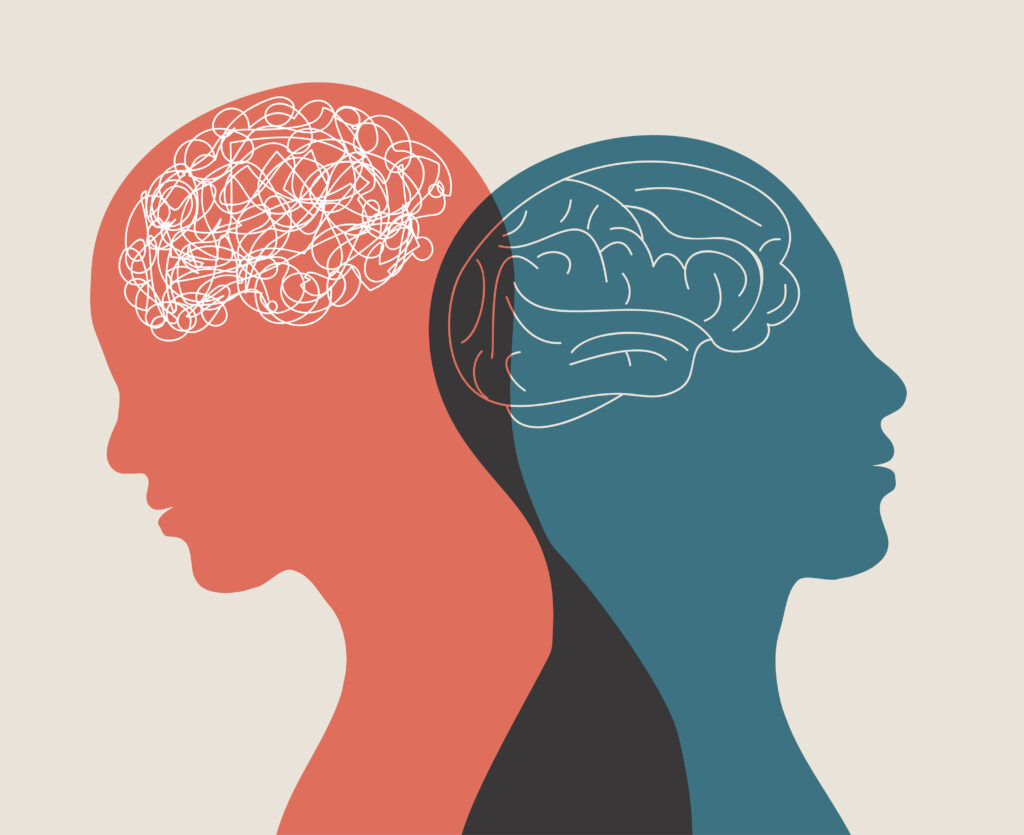





In fast-paced environments, empathy is often assumed rather than actively practiced. Teams are focused on moving quickly, solving problems, and delivering results. But in that process, how people experience those interactions can get overlooked.
This is especially true in moments of pressure or change, when communication becomes more transactional and less intentional. What’s interesting is that most people don’t expect perfection, they expect to feel heard, understood, and respected.
A recent Harvard Business Review article, “Customers Expect Empathy. Here’s How to Deliver It,” explores this gap between intention and impact, and why empathy continues to be one of the most important, yet inconsistently delivered, aspects of both customer and workplace experiences.
Read the full article here: “Customers Expect Empathy. Here’s How to Deliver It”
Where Empathy Shows Up in Everyday Work
In practice, empathy often shows up in small, everyday moments: a rushed response, a missed acknowledgment, or a conversation that focuses on outcomes but skips over the human experience. Over time, these moments shape how people feel about their work, their team, and their organization.
This is also where empathy connects to psychological safety training in the workplace. When it’s consistently demonstrated, people are more likely to speak up, ask questions, and contribute openly.
If you’re joining one of our sessions, we recommend reading the article “Customers Expect Empathy. Here’s How to Deliver It” ahead of time. As you read, reflect on the following:
- Think of a time you felt truly respected (or disrespected) in a service experience.
- What made that experience stand out?
- How did empathy, or the absence of it, influence your sense of respect?
Want more insights like this?
We regularly share practical insights on workplace communication, psychological safety, and building high-performing teams.